
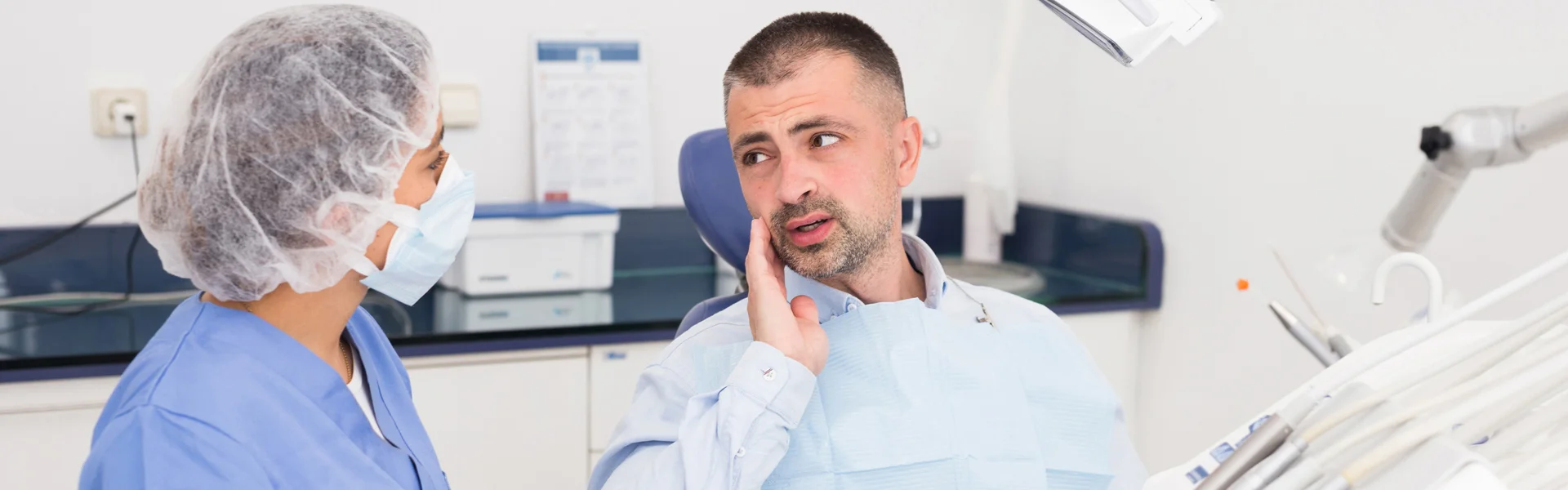
A cracked or broken tooth can happen without warning. One moment you are eating dinner or playing sports, and the next you feel sharp pain, swelling, or sensitivity. In some cases, the damage is visible. In others, the crack may be hidden below the gumline and cause symptoms over time. Early care from a dental professional can help protect the tooth and reduce the risk of further complications.
Dental injuries should never be ignored. Small tooth fractures may expose the inner pulp to bacteria, increasing the chance of discomfort and other dental complications. Quick treatment protects your oral health and often prevents more extensive procedures later.
Common Causes of Broken or Cracked Teeth
Teeth are strong, but they are not indestructible. Cracks and fractures can develop from everyday habits, accidents, or untreated dental conditions.
Some of the most common causes include:
- Frequent biting into hard substances, including ice or hard sweets, can weaken or crack tooth enamel over time
- Sports injuries or accidental falls
- Teeth grinding and clenching during sleep
- Large fillings that weaken the tooth structure
- Untreated cavities that reduce enamel strength
- Sudden temperature changes from very hot or cold foods
- Car accidents or facial trauma
Dental professionals also see cases linked to aging enamel. Over time, repeated chewing pressure can cause tiny fractures, a condition known as cracked tooth syndrome, especially in molars.
Research from the American Association of Endodontists shows that cracked teeth frequently lead to tooth loss in adult patients. Early diagnosis significantly improves the chances of preserving the natural tooth.
Recognizing the Signs: How to Tell if Your Tooth Is Cracked or Broken
Some tooth cracks are easy to notice, while others cause mild symptoms that appear intermittently.
Watch for these warning signs:
- Sharp pain while chewing
- Sudden sensitivity to hot or cold foods
- Swelling around the affected tooth
- Pain that appears when releasing bite pressure
- A chipped edge on the affected tooth
- Gum tenderness near the damaged area
- Intermittent tooth pain without an obvious cavity
A severe fracture may expose the tooth’s inner pulp, leading to acute pulpitis, bleeding, or nerve pain. In more advanced cases, bacteria can enter the tooth and cause a dental abscess, or a periapical abscess, which may lead to facial swelling or fever.
If you experience swelling, throbbing pain, or signs of infection, seeking urgent dental care near Laurel, MD, becomes especially important.
Why You Shouldn’t Wait to Treat a Cracked Tooth
Even a minor crack can worsen quickly. Normal chewing pressure can place stress on the damaged area, causing the fracture to deepen over time.
Delaying treatment increases the risk of:
- Infection inside the pulp chamber
- Gum inflammation and periodontal damage
- Tooth nerve death
- Root fractures below the gumline
- The need for extraction instead of repair
In some cases, untreated dental trauma can lead to complications that require antibiotics or more advanced dental care. Pain may also spread into the jaw, ear, or surrounding teeth.
People often wait because the pain fades temporarily. However, reduced pain does not mean the tooth is healing. Many cracked teeth become more unstable with time.
Early treatment may help prevent the tooth from becoming more unstable or difficult to restore.
How Emergency Dental Care Saves Your Natural Tooth
Prompt treatment greatly improves the chances of saving a cracked or injured tooth. During emergency dental treatment, the dentist evaluates the severity and location of the crack using imaging and clinical examination.
Treatment options may include:
Dental Bonding or Filling
Small chips or surface cracks may be repaired with tooth-colored composite resin. This restores appearance and function while protecting the enamel.
Dental Crown Placement
Moderate fractures often require a crown to strengthen and protect the remaining tooth structure.
Root Canal Therapy
A dentist may recommend root canal procedure if infection spreads to the pulp tissue inside the tooth. This is common in cases involving pulp infection or lingering sensitivity.
Emergency Tooth Extraction
Some fractures extend too far below the gumline to be repaired safely. In these cases, an emergency tooth extraction in Laurel, MD, may be the healthiest option to prevent the spread of infection.
Treatment for Avulsed Teeth
An avulsed tooth, or fully knocked-out tooth, requires immediate attention. Teeth have the highest chance of survival when reimplanted within 30 to 60 minutes.
Modern emergency dental care focuses on relieving discomfort while preserving natural teeth whenever possible.
What to Expect at Your Emergency Dental Visit
Dental emergencies can feel overwhelming, especially when pain is involved. Learning what happens during the appointment may ease stress and uncertainty before treatment begins.
An emergency visit typically includes:
1. Immediate Pain Assessment
The dentist evaluates symptoms, swelling, bleeding, and the extent of injury.
2. Digital X-Rays
Imaging helps detect hidden fractures, infection, or bone involvement.
3. Stabilization and Tooth Pain Relief Treatment
Temporary or permanent treatment may be provided during the same visit, depending on the severity of damage.
4. Personalized Treatment Planning
You may receive recommendations for:
- Crowns
- Root canal procedures
- Antibiotics for infection
- Follow-up restorative care
- Aftercare instructions
Many patients look for immediate treatment when pain or swelling becomes more severe after work hours or during the weekend. Early treatment may help reduce the risk of additional complications.
If swelling, fever, or severe pain develop suddenly, visit an emergency dental clinic in Laurel, MD.
Practical Steps to Take Before Your Appointment
While waiting for professional care, these steps may help reduce discomfort and protect the tooth:
- Rinse gently with warm salt water
- Avoid chewing on the injured side
- Use a cold compress for swelling
- Save broken tooth fragments if possible
- Avoid extremely hot or cold foods
- Take over-the-counter pain medication as directed
Do not place aspirin directly on the gums, as this may irritate soft tissues.
If swelling, fever, or severe pain develops suddenly, an immediate dental evaluation is especially important.
Emergency Dental Problems Often Linked to Cracked Teeth
A cracked tooth can contribute to several serious oral health issues if untreated.
These may include:
- Periodontal abscess
- Dental infections that require immediate treatment
- Advanced tooth decay
- Bone loss around the tooth root
- Chronic inflammation
- Facial swelling
- Jaw discomfort
Some patients also require urgent root canal treatment when bacteria penetrate deep into the pulp chamber.
Final Thoughts on Fast Treatment for Cracked Teeth
A cracked or broken tooth should never be ignored. Timely treatment may help reduce discomfort and improve the chances of preserving the damaged tooth. Patients in Laurel and nearby communities, including Beltsville, College Park, Greenbelt, Bowie, Burtonsville, Severn, Odenton, Silver Spring, Hyattsville, Jessup, Fort Meade, and Adelphi, often seek prompt care when dental pain interferes with daily life. Access to emergency dentistry in Laurel, MD, can provide fast relief and protect long-term oral health.
For patients dealing with sudden fractures, swelling, or dental trauma, Laurel Smiles Dental Care offers compassionate evaluation and treatment options designed to restore comfort and function as quickly as possible.
FAQs About Cracked Tooth Emergencies
No. Unlike bones, tooth enamel cannot regenerate. Dental treatment is important to prevent the crack from worsening over time.
Not always. Some cracks cause intermittent symptoms, while others remain painless until infection develops.
You should seek prompt care if you experience:
- Severe pain
- Swelling
- Bleeding
- Difficulty chewing
- Fever
- A visibly broken tooth
Many damaged teeth can be preserved with crowns, bonding, or root canal treatment when treated early.
Hold the tooth by its crown, store it in milk or saliva to prevent drying out, and seek prompt emergency dental treatment.