
Not every damaged tooth requires to be removed. When enough healthy tooth structure remains, a dental crown can often restore strength, function, and appearance while helping preserve the natural tooth. Dental crowns in Laurel, MD are commonly recommended for teeth affected by extensive decay, fractures, large fillings, or root canal treatment. By covering and reinforcing the remaining tooth structure, crowns help improve chewing function, reduce the risk of further damage, and support long-term oral health. At Laurel Smiles Dental Care, treatment recommendations are based on an in-depth evaluation of the tooth, surrounding tissues, and overall oral health.
When Is a Dental Crown Recommended?
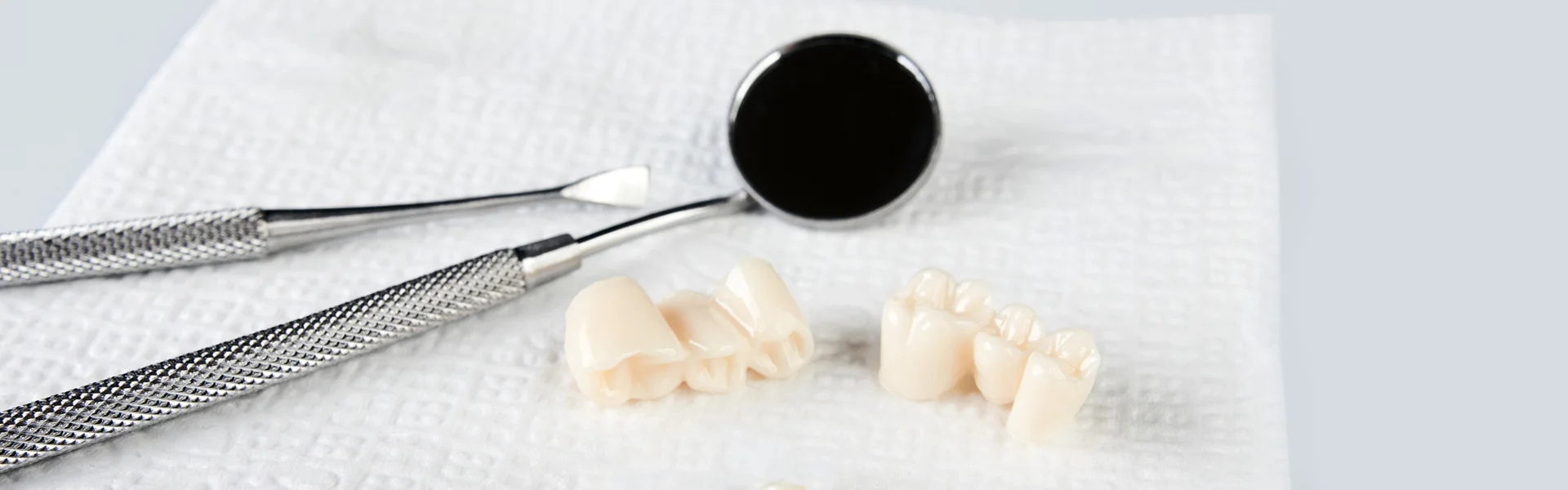
A tooth crown, often known as a dental cap, is a tailored restoration that encases the visible part of a compromised tooth. It is generally advised when a tooth has lost a significant amount of structure and cannot be reliably repaired with just a filling.
Common situations where a crown may be appropriate include:
- A fractured tooth or significant loss of tooth structure that requires additional support
- Large fillings that no longer provide adequate support
- Teeth weakened by extensive decay after the damaged tissue has been removed
- A crown after root canal treatment to reinforce an endodontically treated tooth
- Teeth showing excessive wear or structural cracks
Before recommending a crown, the dentist evaluates the remaining tooth structure, gum health, and bite to determine whether the tooth can successfully support a full-coverage restoration.
Selecting the Most Appropriate Crown Material
Several crown materials are available today, and each offers specific advantages depending on the tooth being restored, its location in the mouth, chewing forces, and aesthetic goals.
Common options include:
- Porcelain crowns, which closely resemble natural enamel and are often selected for front teeth.
- Zirconia crowns are recognized for their outstanding durability and ability to withstand significant biting pressure.
- Ceramic dental crowns, which provide an excellent balance of durability and natural appearance in many clinical situations.
The dentist near you recommends the most suitable material after evaluating the tooth’s location, the amount of remaining tooth structure, bite forces, aesthetic expectations, and the long-term prognosis of the tooth.
What Happens During the Crown Procedure?
The dental crown procedure commences with a comprehensive examination to confirm that a crown is the most appropriate treatment. After removing damaged or weakened tooth structure, the tooth is carefully shaped to create enough space for the crown so it fits securely, functions comfortably, and aligns properly with the bite while salvaging as much healthy tooth structure as possible.
Digital impressions or other modern imaging technologies may be used to improve the precision of the crown’s design and fit. If the definitive restoration cannot be inserted in the same visit, a temporary crown will safeguard the prepared tooth while the long-term or permanent restoration is created. After it is finished, the crown is assessed for fit, aesthetics, and occlusion before it is firmly attached in place.
Caring for a Dental Crown
Although crowns are made from durable materials, they require the same daily care as original teeth to help maintain their function and longevity.
Brushing twice a day, cleaning between the teeth, and attending regular dental examinations help maintain both the restoration and the surrounding oral tissues. Limiting habits such as chewing ice or biting hard objects can also reduce unnecessary stress on the crown.
With consistent home care and routine professional monitoring, many crowns continue to function successfully for years.
Protect and Restore a Damaged Tooth
When a tooth has been significantly weakened, a properly fitted crown can restore chewing function, reinforce the remaining tooth structure, and help preserve the natural tooth for as long as possible.
If you are looking for a dentist for crowns in Laurel, MD, a comprehensive evaluation can help determine whether a dental crown or another restorative treatment is the most appropriate option based on the condition of the tooth and your long-term oral health goals.
FAQs
By maintaining regular oral hygiene and attending dental appointments, numerous crowns can stay effective for several years. However, their lifespan can differ based on personal oral practices and general dental wellness.
Definitely, modern crowns are designed to align with the color, shape, and symmetry of neighboring teeth for a natural look.
Local anesthesia is typically used at the time of treatment to help keep patients comfortable while the tooth is prepared and the crown is placed.
Depending on the extent and location of the crack, a crown may help protect the tooth by holding the remaining structure together and restoring function.
After the permanent crown has been firmly attached and the dentist verifies that the bite feels comfortable, most patients can slowly resume their regular eating habits.