
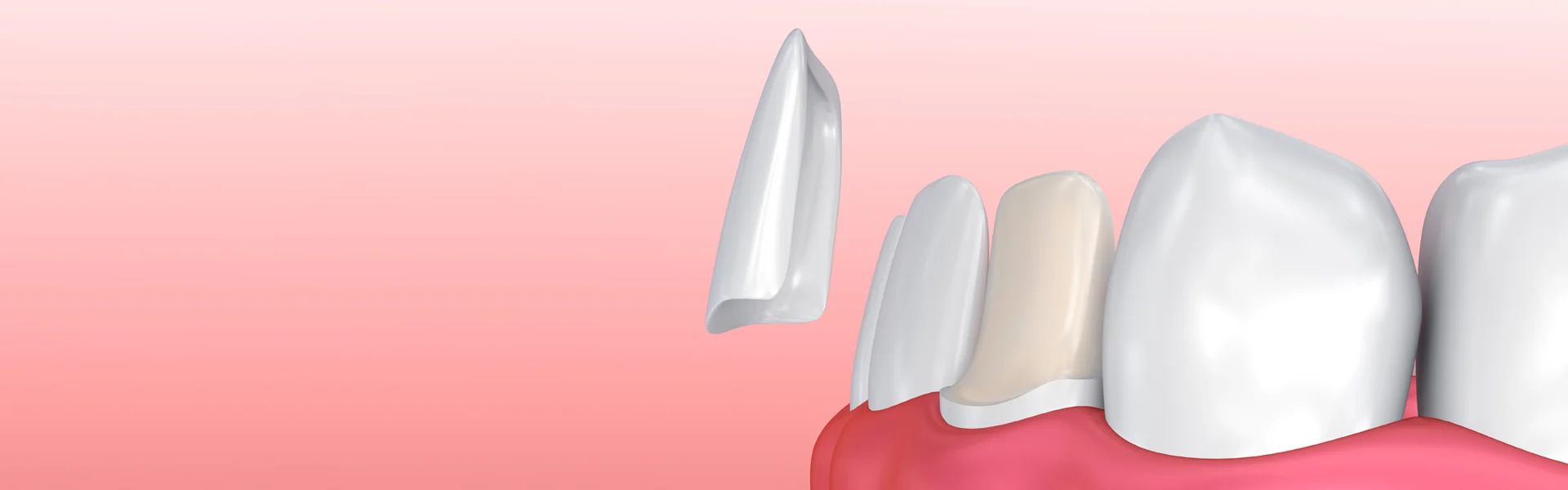
Porcelain veneers can change the visible shape, color, or proportions of selected teeth, but what happens to the natural tooth underneath? With porcelain veneers in Laurel, MD, treatment may involve preparing the tooth surface when clinically necessary and bonding a thin restoration to its front, while the natural tooth and surrounding gums continue to require routine care. Veneers cover natural teeth; they do not replace them.
What Happens to the Enamel Before Veneers Are Placed?
Porcelain veneers are thin restorations attached to the front surfaces of teeth. Depending on the clinical situation and veneer design, enamel may be reduced to create space for the restoration and support proper contour.
The amount of enamel reduction should be individualized rather than standardized. Tooth position, available enamel, bite, intended cosmetic changes, and restoration design can influence how much preparation is appropriate.
Preserving enamel where clinically possible is beneficial because enamel can provide a favorable surface for adhesive bonding. However, veneers are not a completely reversible cosmetic treatment when natural tooth structure has been removed.
Before choosing porcelain veneers near Laurel, MD, patients should have their teeth, gums, enamel, and bite evaluated to determine whether this treatment is appropriate.
How Are Veneers Attached to Natural Teeth?
After tooth preparation for porcelain veneers, an impression or digital scan may be taken to help fabricate restorations that fit the prepared teeth. The exact workflow can vary.
During veneer placement, the dentist checks factors such as:
- Shape and overall appearance
- Porcelain veneer fit and contour
- Contact with neighboring teeth
- Relationship with the gumline
- Veneer occlusion and bite
- Shade and alignment
During bonding, the tooth and veneer surfaces are prepared for the selected material before the restoration is secured with an appropriate resin cement.
A cosmetic dentist in Laurel, MD can evaluate the remaining tooth structure and bite to determine whether veneers are a suitable option.
Is the Natural Tooth Still Alive Under a Veneer?
A veneer does not replace the natural tooth or its root. In most routine cases, the underlying tooth structure remains in place; whether the tooth has vital pulp depends on its individual dental history.
Some patients may notice temporary tooth sensitivity after veneers, particularly following preparation or bonding. Contact your dentist if sensitivity persists or worsens, or if you develop pain when biting or other concerning symptoms.
Although preserving enamel is important, the extent of preparation can vary according to tooth position, existing structure, bite, and treatment goals.
Can Teeth Develop Decay Under Veneers?
Veneers themselves do not develop cavities, but decay can affect the supporting tooth, particularly where plaque accumulates around exposed tooth surfaces or restoration margins.
A close seal where the veneer meets the tooth is important, but even a well-fitted restoration does not eliminate the need for daily plaque control. Plaque buildup near the gumline can contribute to decay and gum inflammation.
Patients considering dental veneers in Laurel, Maryland should understand that the supporting teeth and gums continue to require regular preventive care.
Can Veneers Damage Your Enamel?
When preparation is necessary, a controlled amount of tooth structure may be removed as part of the planned procedure. This differs from enamel loss associated with acid exposure, wear, trauma, or other dental conditions.
Because removed enamel does not grow back, treatment planning should balance cosmetic goals with preservation of healthy tooth structure. Veneers are not appropriate for every cosmetic concern. Depending on the concern, alternatives may include whitening, dental bonding, or orthodontic treatment.
Before proceeding with veneers near South Laurel, an examination can clarify how much tooth preparation may be needed and whether a more conservative option could address the concern.
What Happens to the Teeth Years After Veneer Placement?
Gum recession, decay, tooth wear, changes in the bite, or forces from grinding and clenching can affect the appearance or function of veneers.
A veneer may eventually require repair or replacement, and its lifespan varies from one patient and tooth to another. Longevity can be influenced by the material, bonding conditions, oral hygiene, bite forces, habits, and professional maintenance.
A consultation with a cosmetic dentist near Burtonsville, MD should include both the desired cosmetic changes and the long-term maintenance associated with veneers.
How Do You Protect the Teeth Under Veneers?
Daily plaque control helps protect the natural teeth and gums supporting veneers. Good oral hygiene may include:
- Brushing twice daily with fluoride toothpaste
- Cleaning between the teeth every day
- Keeping regular dental examinations and professional cleanings
- Avoiding chewing ice or using teeth to open objects
- Having persistent sensitivity, pain, or a loose or damaged veneer evaluated
- Discussing grinding or clenching with a dentist
At Laurel Smiles Dental Care, Dr. Armine Grigoryan can examine your enamel, gums, and bite before veneers are considered, so you understand how treatment may affect your natural teeth and whether a more conservative option is suitable. For porcelain veneers near North Laurel, an initial examination can assess tooth condition and bite, clarify cosmetic goals, and determine whether veneers or an alternative approach is suitable.
Frequently Asked Questions
Understand What Veneers Mean for Your Natural Teeth
Porcelain veneers cover the front of selected teeth while the supporting teeth remain in place beneath the restorations. Because preparation may be irreversible and these teeth still require ongoing care, treatment should begin with a clinical assessment and a realistic discussion of alternatives, maintenance, and expected outcomes.